
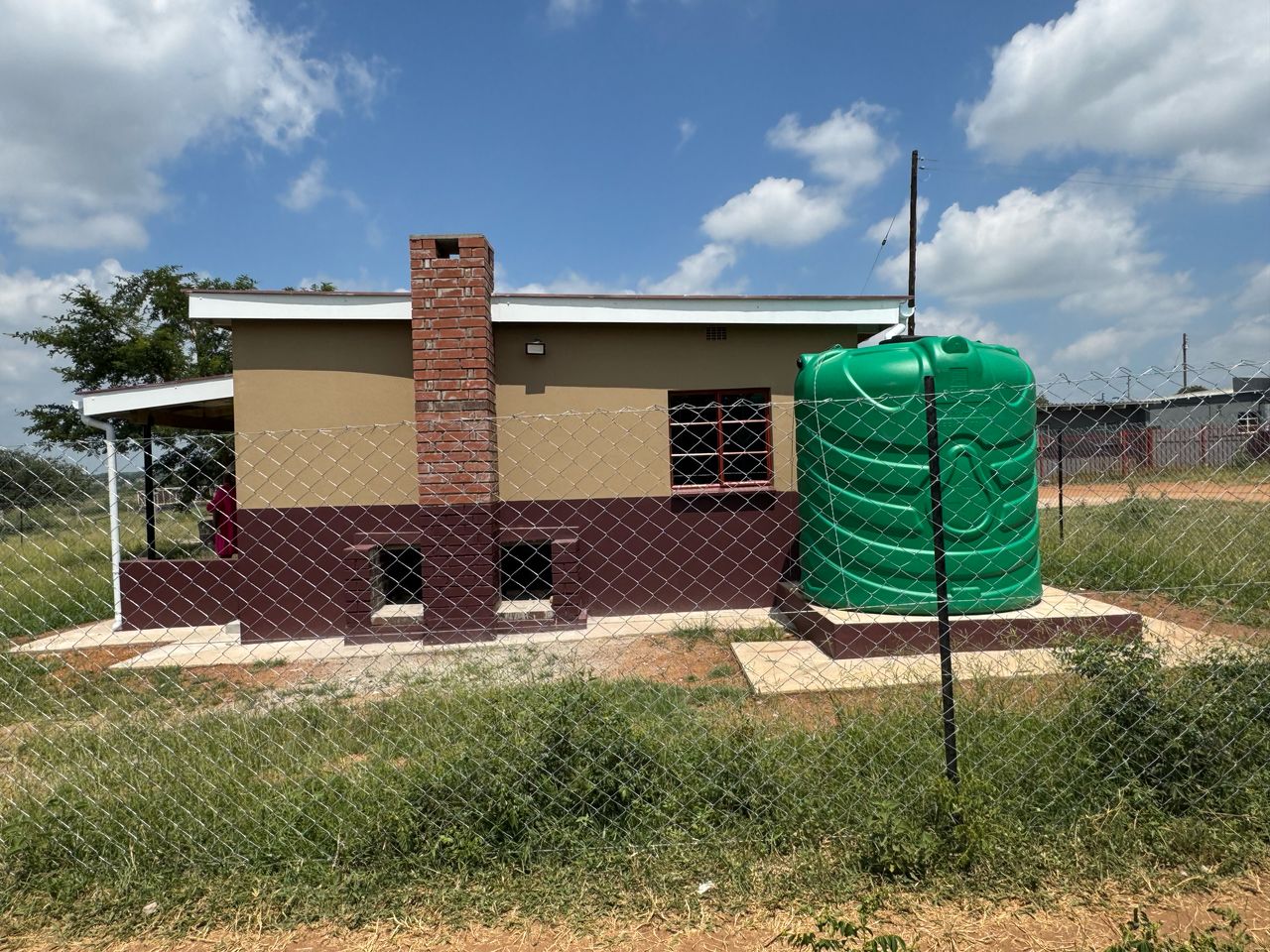
Project Information
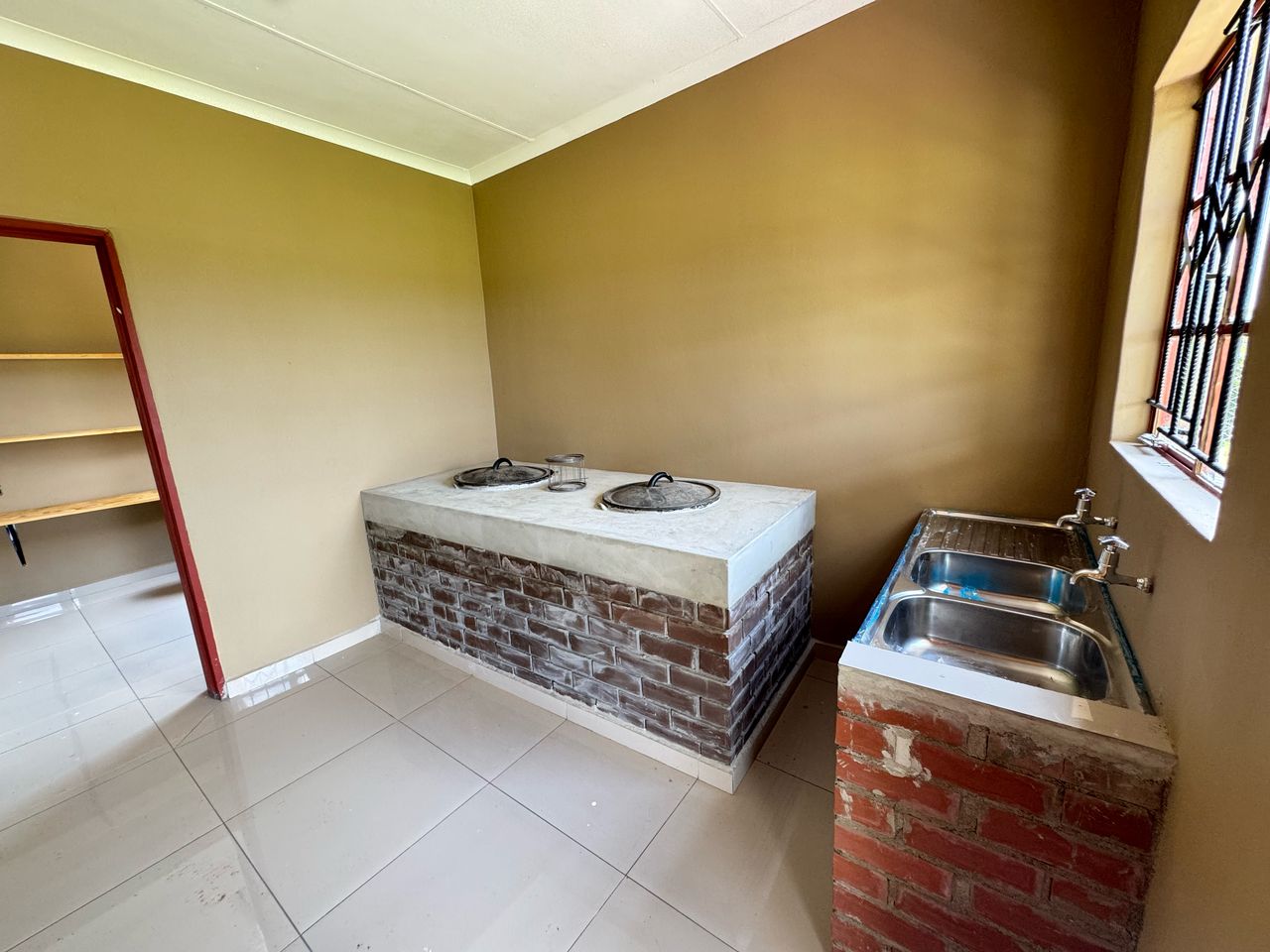
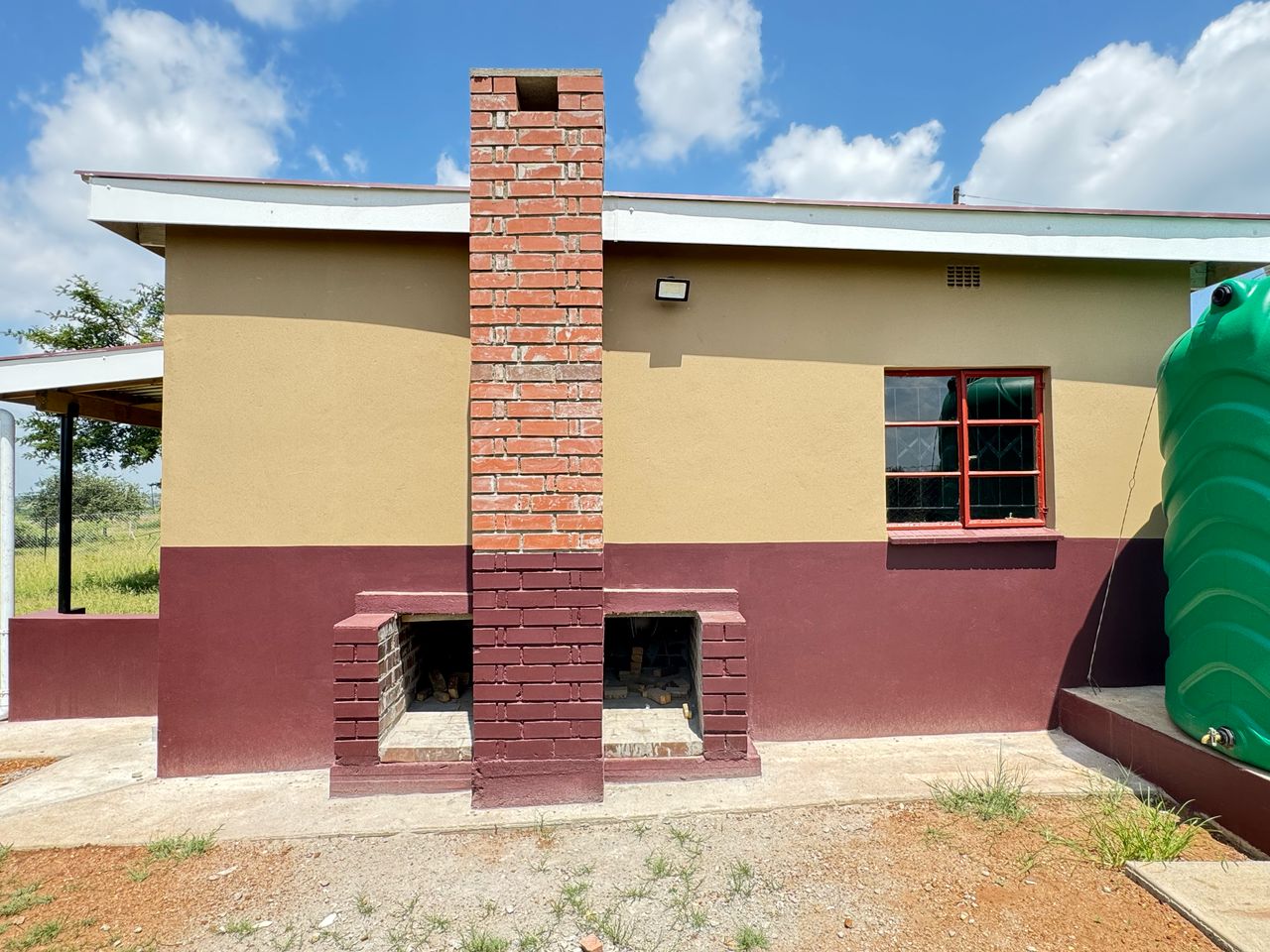
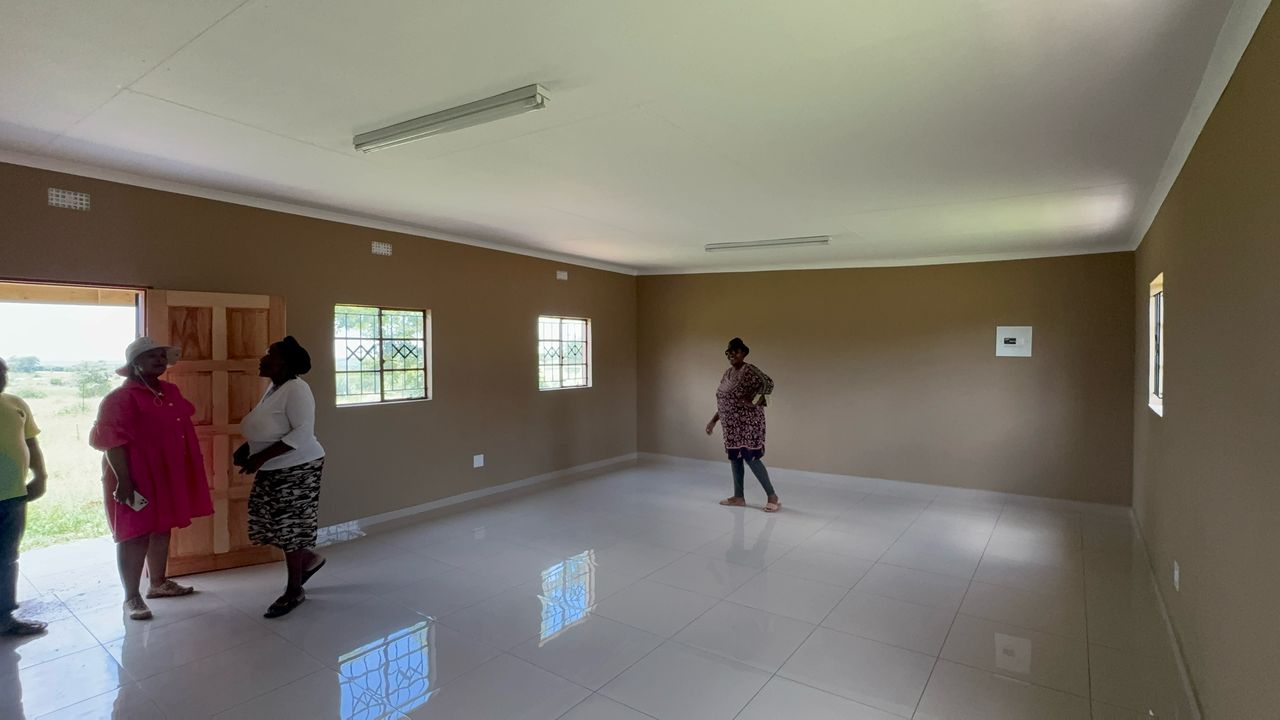
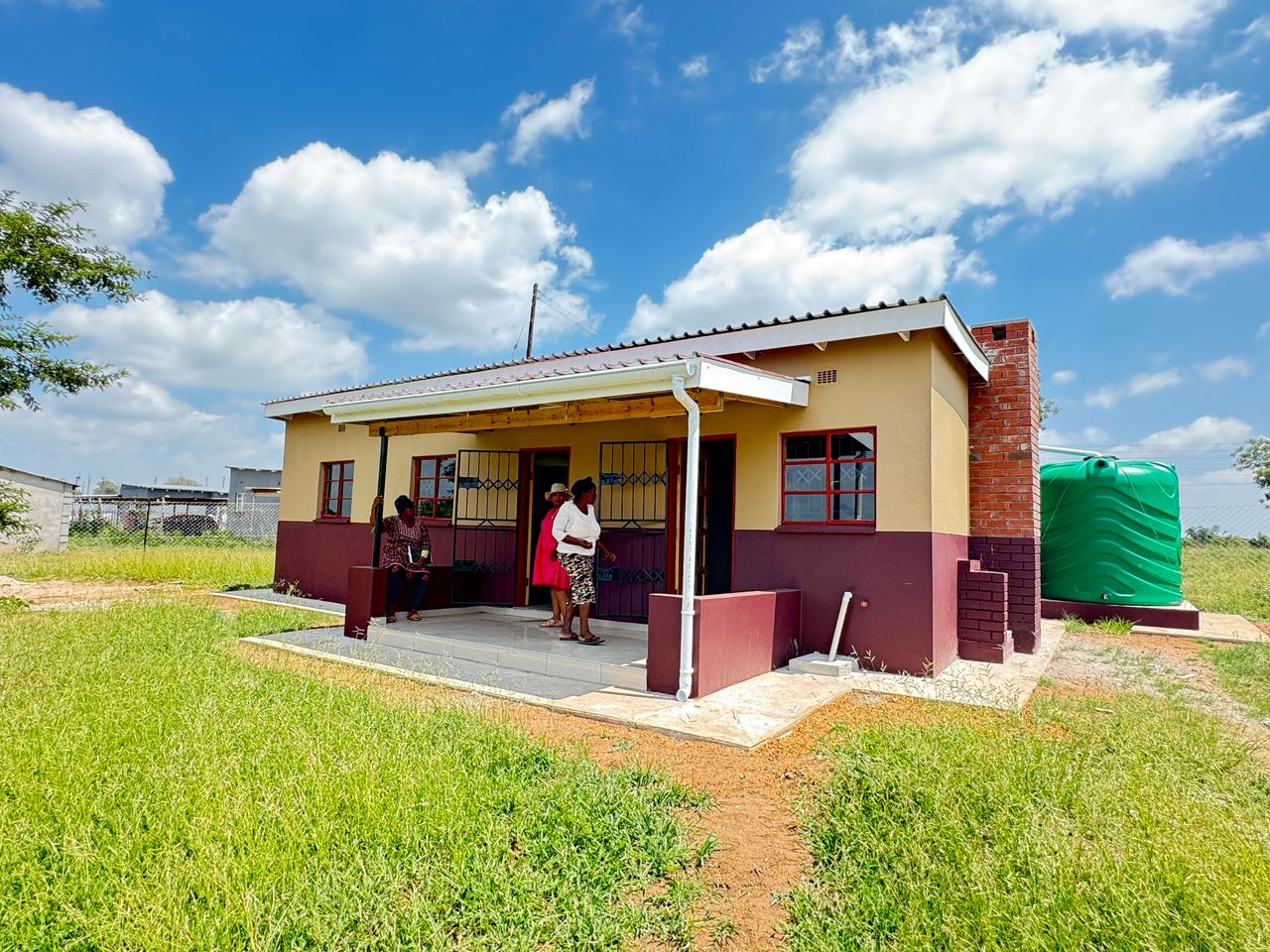
- Project Title: Upgrade of Primary Health Care Facilities Infrastructure with Gender, disability- sensitive and inclusive WASH, IPC, waste management and energy
- Category: WASH, Health Infrastructure, IPC
- Location: Eswatini Health Care Facilities
- Estimated Cost: E1,224,267.50 per facility
Project Overview
This project focuses on improving essential infrastructure and services within Eswatini's Primary Health Care Facilities (HCFs). It aims to enhance access to safe water, sanitation, hygiene (WASH), waste management, and energy-efficient infrastructure. Adequate WASH services are crucial for delivering high-quality care, preventing infections, and reducing child mortality rates, particularly from diseases linked to poor sanitation like diarrhoea. The initiative aligns with Sustainable Development Goal 3 (Good Health and Well-being) and Goal 6 (Clean Water and Sanitation).
Primary Objective
To improve WASH, waste management, energy, and Infection Prevention Control (IPC) in Eswatini Health Care Facilities.
Specific Objectives
- Maintain regular cleaning and disinfection practices in HCFs.
- Improve the practice of frequent and proper hand hygiene in HCFs.
- Improve safe management of healthcare waste in HCFs.
- Operate on sustainable solutions to lower carbon emissions and foster environmental sustainability in HCFs.
- Address issues of inequities across geographic areas and among different levels of HCFs.
Key Outcomes and Actions
The project intends to achieve improved WASH infrastructure and service delivery through comprehensive assessments using the WASHFIT tool, followed by the rehabilitation of existing non-functional infrastructure or construction where necessary. It will strengthen the capacity of healthcare workers through training on the operation and maintenance of WASH infrastructure and the development of relevant manuals. Furthermore, it aims to bolster hygiene practices by building capacity in soap making, facilitating hygiene behaviour change training, procuring essential hygiene and waste management materials, and painting hygiene behaviour artwork in strategic areas within the facilities. The project emphasizes collaboration with the Ministry of Health throughout its lifecycle to ensure sustainability.